Best Overall

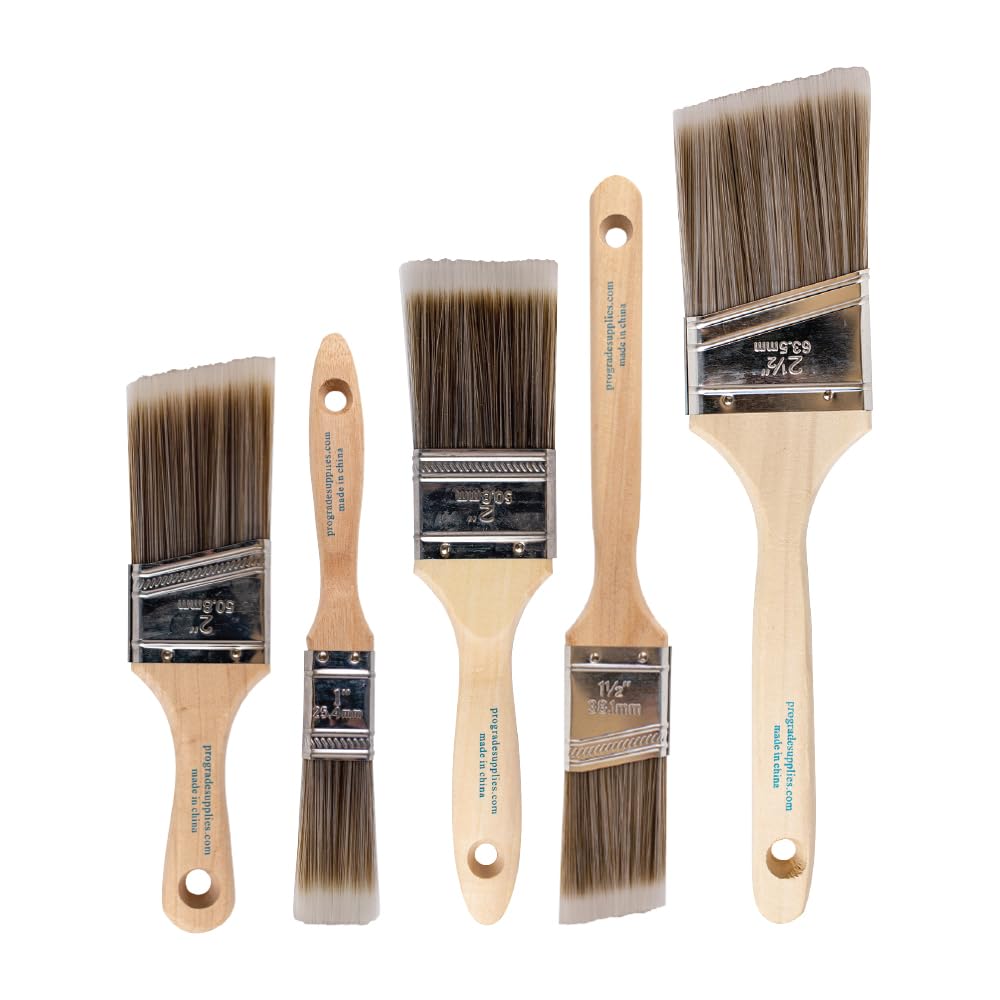
Wooster Silver Tip 2.5-Inch
- Width
- 2-1/2 inches
- Handle
- Hardwood
- Bristle
- Polyester, flagged
- Ferrule
- Stainless steel
Pros
- Soft flagged filaments level a clear coat
- Holds a full load without dripping
- Stainless ferrule and hardwood handle take solvent
- Cuts a clean line along trim
Cons
- Too wide for beads and inside corners
A clear finish has nothing to hide behind, so the brush does about half the work. The Silver Tip's filaments are 100% polyester with flagged tips, meaning the ends split into fine flags that carry the polyurethane out in an even film instead of dragging it into ridges, and that softness is why it became our default for topcoats.
What surprised us is how much finish it holds. A 2-1/2-inch sash brush is a lot of surface area to fill, and a heavy dip usually means a run down the ferrule and a puddle at the end of the pass. This one keeps the load in the belly of the bristles and lets it out as you pull, which suits the long, slow stroke polyurethane wants. On a tabletop we laid a full pass and tipped it off without stopping to reload.
The size suits rails, stiles, tabletops, door edges, and shelf faces, anywhere you have room to pull the brush through. The stainless ferrule and hardwood handle also come through repeated mineral-spirit cleanings in good shape, which matters more with oil-based poly than with anything else in the shop, because you are cleaning up with solvent after every coat.
The thing to watch is a loose filament. We comb each new brush out with our fingers and rinse it in the matching solvent before the first dip, and that caught nearly everything. The one that got away landed in a second coat and cost us a sanding pass, which is a good argument for the two-minute comb-out before you start.
Bottom line: Our default for brushed polyurethane: soft flagged filaments that level the film, hold a heavy load without dripping, and clean up to go again.
Check Latest Price