// data-verified

Best Paint for Furniture of 2026

The first time I painted a secondhand dresser, I learned that furniture paint is not wall paint in a smaller can. A finish that looks perfect in the pot can dry streaky, stay tacky for days, or chip the first time you drag a laundry basket across it. What you want is a coating that covers the old surface without erasing the wood's character — and doesn't require a garage of primer, top coat, and special brushes.

Over the past six months, my team and I tested 16 furniture paints on dressers, cabinet doors, side tables, and a metal stool. We brushed, rolled, and sprayed them, watching how evenly they covered, how fast they dried, and whether the finish read matte, chalky, or too shiny in daylight. The best made a tired piece look intentional; the worst left brush marks visible from across the room. One thing I wish I'd known sooner: a built-in primer doesn't excuse you from cleaning grease or scuffing a glossy surface. The picks below earn their place on color, application, drying time, durability, and value, not just a pretty lid.

#01

Best Overall

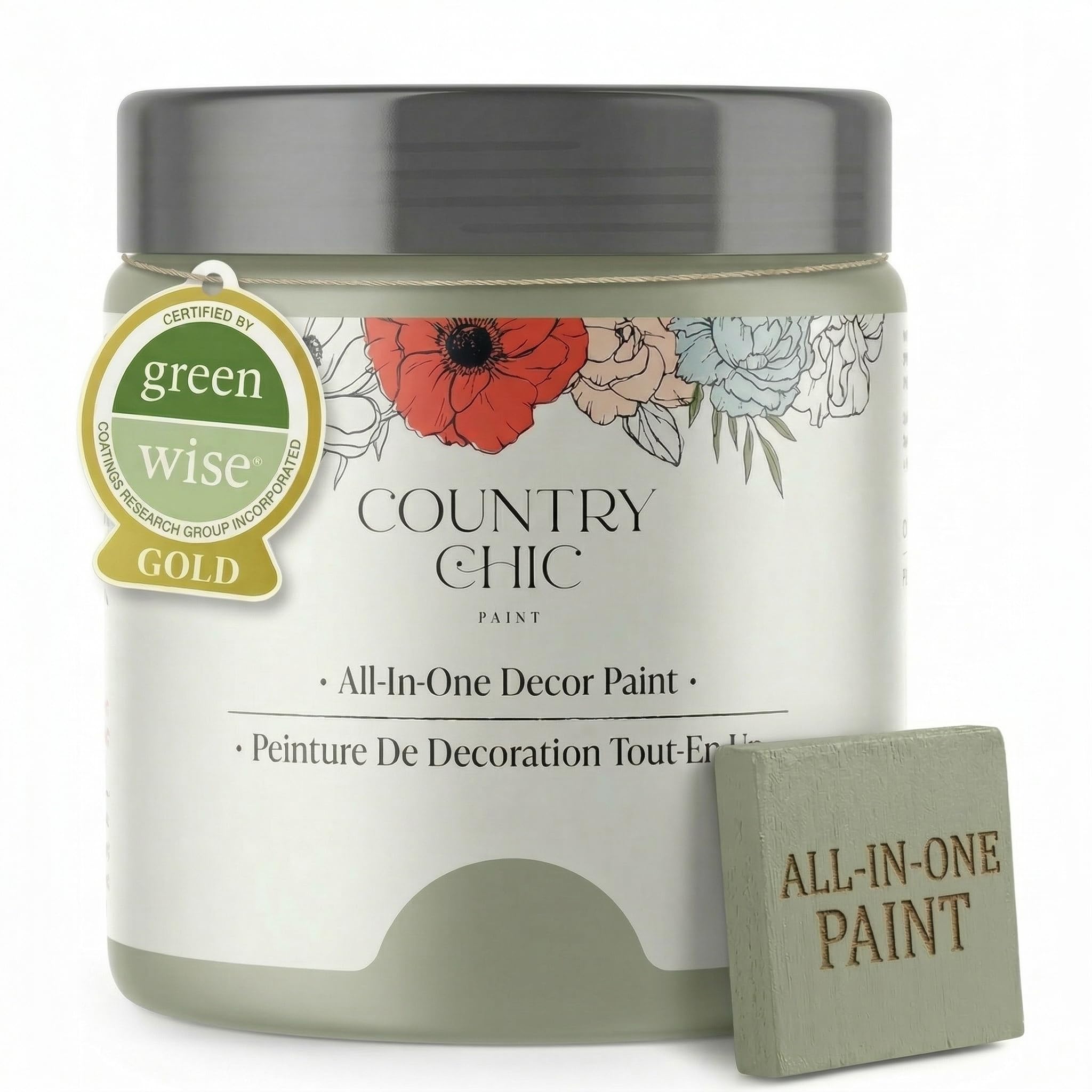
Country Chic All-in-One Chalk Paint

91 /100
Kirk Score Outstanding
Finish
Chalky matte
Container
16 fl oz (pint)
Dry To Touch
30 minutes
Certification
Green Wise Gold, ultra-low VOC
Check Details on Amazon

Pros

  • Primer and top coat built in
  • Ultra-low VOC and low odor for indoor work
  • Self-leveling chalky matte that distresses easily
  • Dries to the touch in 30 minutes

Cons

  • Sold in a 16 oz pint
  • Highest price per ounce in this group

What decided it for us was not the color chip but the certification: Green Wise Gold, no phthalates, formaldehyde or heavy metals, and an ultra-low-VOC formula with almost no smell. That is the difference between repainting a dresser in the spare bedroom and opening every window in the house in November. Add the primer and top coat built into the same can, and this is the can we hand to someone doing their first piece.

It is unusually forgiving to work with. The formula self-levels, which flattens most of what a beginner's brush leaves behind, and it dries to the touch in about half an hour, so a second coat goes on the same afternoon. The finish stays chalky and flat, and it distresses easily when you want the edges rubbed through. Sage Advice is a soft, slightly gray green, and the shade range is broad enough to match a room rather than settle for one.

One condition worth knowing before you commit: built-in top coat or not, a chalk finish is not a bar top. A sweating glass left sitting on an unsealed table can leave a ring, so anything that takes daily handling — a tabletop, a kitchen island, a chair seat — wants a clear topcoat over it. That is a small extra step, and it is the one place the all-in-one promise stops short.

Bottom line: For a first furniture repaint done indoors, this is the can we hand over: primer, color and a chalky matte in one low-odor formula. The pint is small and priced high.

Check Latest Price
#02

Best for Whole-Room Jobs

Heirloom Traditions ALL-IN-ONE Paint

89 /100
Kirk Score Excellent
Use
Interior and exterior
Finish
Low-luster velvet
Coverage
140 sq ft
Container
1 quart (32 fl oz)
Check Details on Amazon

Pros

  • Up to 140 sq ft from one quart
  • Rated for interior and exterior use
  • No sanding, primer or topcoat required
  • Low-luster sheen hides roller marks

Cons

  • Thin formula needs extra coats over dark wood
  • Can chip at cabinet edges with daily handling

A quart that the label says covers up to 140 square feet is the widest coverage per can in this group, and it is rated for interior and exterior use, so one can handles the bedroom door, the baseboards behind it and the dresser you actually came here for. Heirloom Traditions builds the whole process into the paint as well: no sanding, no separate primer, no mandatory topcoat.

Crete is a true olive, earthy without going gray, and the low-luster velvet sheen is what we underrated at first — flat enough to hide a roller's swirl on a cabinet door, soft enough to read as deliberate on furniture. For anything that has to work both inside and out, this is the finish we prefer in this group.

Working time is where it asks something of you. It flashes off fast, and that cuts both ways: on a wide flat panel you need to keep a wet edge and work in sections instead of going back over a pass that has already begun to skin.

There is also a sprayed color card in the can, showing the brand's room-neutral shades in paint rather than pixels. That inclusion is more useful than it sounds — a screen swatch is the least reliable part of buying furniture paint, and a card you can hold against the piece in your own light settles more arguments than any product photo.

Bottom line: The one to buy when the job is a whole room rather than a single piece: a quart covering up to 140 square feet, rated inside and out, with no sanding, priming or topcoat in the process.

Check Latest Price
#03

Best Spray for Curves and Metal

Krylon Fusion All-In-One

93 /100
Kirk Score Outstanding
Finish
Matte
Coverage
25 sq ft
Container
12 oz aerosol
Dry To Touch
25 minutes
Check Details on Amazon

Pros

  • 5X adhesion claim with no sanding or priming
  • Trigger sprays from any angle
  • 25 sq ft per can, most of the sprays here
  • Dry to the touch in 25 minutes

Cons

  • Finish can land satin or gloss, not matte
  • Best results only between 55°F and 75°F

A brush is the wrong tool for a spindle-backed chair, a radiator grille or a set of cabinet pulls — the paint pools at every turn and sags on the second pass. Krylon's answer is a 5X adhesion claim on plastic, wood, metal, PVC, tile and laminate with no sanding or priming, plus a pad-style trigger that sprays from any angle, upside down included, which is how you reach the underside of a chair rail without fighting gravity. We keep a can of this for anything with a curve in it.

Coverage runs to 25 square feet per can, the most of the sprays here, and it is dry to the touch in 25 minutes and handleable in two hours. That pace rewards two light passes over one wet one, which is also the technique that keeps a spray from running — patience at the trigger does more for the finish than any amount of sanding.

Indoors is where it stops being the answer. Overspray settles on everything within a few feet, so this is a driveway or open-garage product, and on a big flat surface like a dresser top a brush and a quart are faster and cheaper than a can.

Bottom line: For chair frames, cane backs and metal pulls, this is the spray we keep on the shelf: no sanding or priming, strong adhesion on metal and plastic, and a black that can land closer to satin than matte.

Check Latest Price
#04

Best Milk Paint Finish

Rust-Oleum Eclipse Milk Paint

93 /100
Kirk Score Outstanding
Use
Interior only
Finish
Brushed matte
Coverage
125 sq ft
Container
1 quart (32 fl oz)
Check Details on Amazon

Pros

  • Brushed, washed matte with real depth
  • Goes on smooth with no priming or sanding
  • Dries in about two hours
  • About 125 sq ft per quart

Cons

  • Interior use only

Milk paint earns its place by looking like nothing else in this group: a flat, brushed, slightly washed finish with depth in it, closer to an old painted cupboard than to a modern sprayed cabinet. Rust-Oleum's version is a liquid that dries in about two hours to a deep matte, and it is rated for interior use on wood, metal and glass.

The ease is what surprised us. It comes off the brush smooth, it asks for no priming or sanding, and the consistency does not fight back when you are working a carved leg or the inside corner of a frame — the places where a thicker chalk paint starts to drag and show every stroke. A quart covers about 125 square feet, and two coats usually gets you the depth and the hide. Of the matte options here, this is the one that flatters a piece with carved detail.

Eclipse is a deep black with a soft sheen rather than a hard one. Milk paint's matte surface is not a tough finish on its own, so on a desk that gets leaned on or a shelf that gets dragged, a clear topcoat settles it without changing the look.

Bottom line: If you want the soft, washed matte that only milk paint gives, start here: easy to apply, quick to dry, interior-rated, with a topcoat worth adding on anything handled.

Check Latest Price
#05

Budget chalk look

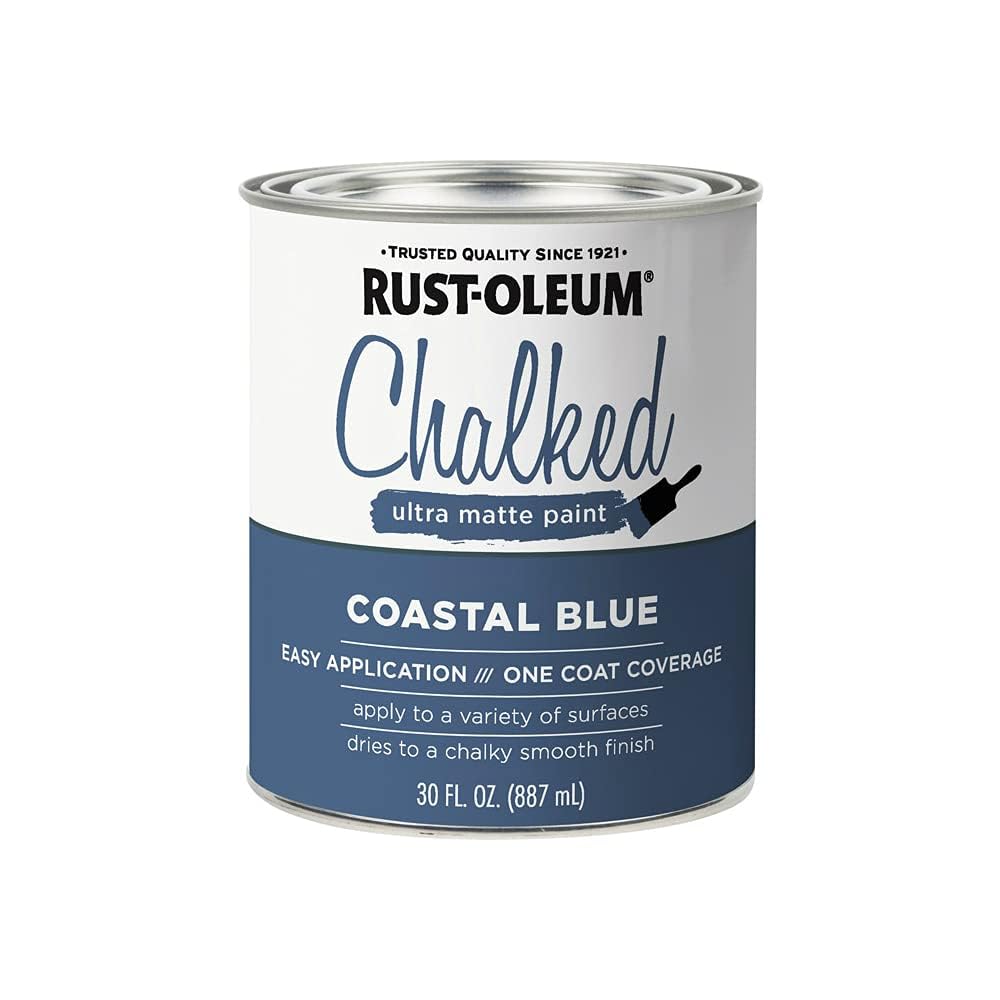
Rust-Oleum Chalked Ultra Matte

91 /100
Kirk Score Outstanding
Finish
Ultra-matte
Coverage
110–150 sq ft
Container
30 fl oz
Dry To Touch
30 minutes
Check Details on Amazon

Pros

  • 30 oz can covering 110 to 150 sq ft
  • One coat on most surfaces
  • Dry to the touch in about 30 minutes
  • Soap-and-water cleanup

Cons

  • Holds brush marks and streaks
  • Chips without a topcoat

This is the cheapest route into a chalk finish in this group, and the can is the biggest: 30 ounces that the label says covers 110 to 150 square feet, enough for a dresser and a nightstand with paint left over. Most surfaces take a single coat, it is dry to the touch in about 30 minutes, and the ultra-matte is genuinely flat rather than a satin wearing the name.

Applying it is about as simple as furniture paint gets — soap-and-water cleanup, no primer on most previously painted surfaces, and a consistency that spreads with a brush or a roller. It sets fast, so on a big flat side panel work in sections and do not go back over a pass that has started to skin.

The trade is quantity over refinement, and for a first project we think that is a fair swap. Coastal Blue is a soft, slightly gray blue that suits a dresser more than a wall, and one can taking a whole bedroom set means you can learn the finish on a piece you do not much care about before committing a nicer one to it.

Bottom line: The cheapest way into a chalk finish: a 30 oz can covering 110 to 150 square feet, one coat on most surfaces, drying to a soft ultra-matte in half an hour.

Check Latest Price

How We Chose and Tested the Best Furniture Paints

We began with a long list of furniture paints sold in pints, quarts, and spray cans, then cut it to 16 based on the surfaces each one claimed to cover, whether it needed a separate primer or top coat, and the range of sheens available. We read application instructions before opening a can and followed each label's prep and recoat times rather than treating them all like wall paint.

Over six months, those paints went onto secondhand dressers, kitchen cabinet doors, side tables, and a metal stool. Some pieces were bare or lightly sanded; others still had a factory finish, so we cleaned and scuffed them as directed. We applied with brushes, foam rollers, and spray cans, noting whether the paint leveled out or kept brush marks, how it covered dark wood and old paint, and whether a second coat evened out the first. We checked drying by touch at the intervals on the label, then watched for tackiness over the following days.

Once cured, we looked at each finish in raking daylight and under a lamp, comparing matte, chalky, and low-sheen results and checking for streaks or lap marks. We set down water glasses, dragged keys across a hidden patch, and wiped everyday smudges to see how the surface held up. We also tracked how far each container went on an average piece, because a paint that needs three coats is not a bargain even if the can is cheap. The best earned their spot by being easy to apply, drying predictably, and looking good after real use.

How to Choose Furniture Paint

Pick the Finish Before the Formula

Chalk and milk paints give the flat, chalky, slightly imperfect look most furniture refreshes are chasing, and they are the softest finishes on this page — a key or a fingernail leaves a mark sooner than it does on a gloss. Low-luster acrylics sit in the middle; semi-gloss and gloss are what shrug off scrubbing. Decide which of those you actually want on the piece before you compare brands, because the sheen is what you look at every day and the chemistry is what you only notice during the first month.

Prep Is Where the Job Is Won

No sanding, no priming is a genuine advantage and not a free pass. Every paint here still wants a clean surface, which means washing off furniture polish and kitchen grease with a degreaser before anything else — the step that gets skipped and then blamed on the paint. Glossy factory finishes and old polyurethane still need a light scuff with fine paper so the new coat has something to grip. Budget for the cleaning even when the can says you can skip the sanding.

Buy for Two Coats, Not One

One-coat coverage claims are measured on prepared, same-colored surfaces in good conditions. Over dark mahogany, a factory finish or a saturated color, plan on two coats and often three, because the first is doing hide rather than color. Work out the area you are actually painting — front, sides, top — then buy to double the label figure. The quart-size cans here cover roughly 125 to 140 square feet; a 16 oz pint is a nightstand or a chair, not a dresser.

Interior, Exterior, and Where You Can Work

Chalk and milk paints in this group are interior-rated, while the Heirloom Traditions quart and the Krylon spray carry interior and exterior ratings. If the piece lives on a porch or in a sunroom, that narrows the list fast. The other half of the question is the room you paint in: brush-on paints work anywhere with a window open, and aerosols need the piece carried outside with everything nearby masked off. A cold garage in winter keeps any of them from curing properly.

Topcoats Are Not Optional on Working Surfaces

Matte chalk and milk finishes look best and wear worst. On a bookcase or a headboard nobody touches, the paint alone is fine. On tabletops, kitchen cabinets, chair seats and anything a child leans on, a clear topcoat in a matching sheen is what keeps rings, chips and hand oils out of the finish. Even the all-in-ones with a built-in top coat gain from one — that built-in layer is thin, and it is there to save you a step, not to survive years of coasters.

Frequently Asked Questions

Final Verdict

Our pick for most people is Country Chic's all-in-one, because it is the only paint here that lets you refinish a piece in a spare room without opening every window, and its matte finish forgives a beginner's brushwork.

If the job is a room rather than a piece — doors, trim, cabinets and a dresser — go with Heirloom Traditions instead; 140 square feet per quart and an interior/exterior rating simply go further. And if the piece is all curves, Krylon's spray is the one that reaches them.