// data-verified

Best Asphalt Patch for Potholes and Driveways of 2026

A pothole is a small problem that gets expensive fast. Water gets in, a freeze pushes the edges apart, and by spring you're steering around a crater that's chewing up tires. Cold patch is the repair most of us can actually do ourselves — no hot-mix truck, no torch — but it has a reputation problem: if the hole isn't clean and dry and the patch isn't packed hard, it can ravel out by the next thaw. The right one seals the hole and stops the freeze-thaw cycle from winning.

I've spent eight months with 12 asphalt patches — buckets, 50-pound bags, and smaller pouches — on a paved driveway, a gravel lane, and a parking pad through late-winter freezes, spring rain, and summer traffic. The differences came down to what labels don't tell you: how readily the material bonds to old asphalt, how hard it sets under a tamper, and whether it stays put when a car rolls over it. A cheap bag that fails in a month is worse value than one that lasts. The picks below are the ones that held.

#01

Best Overall

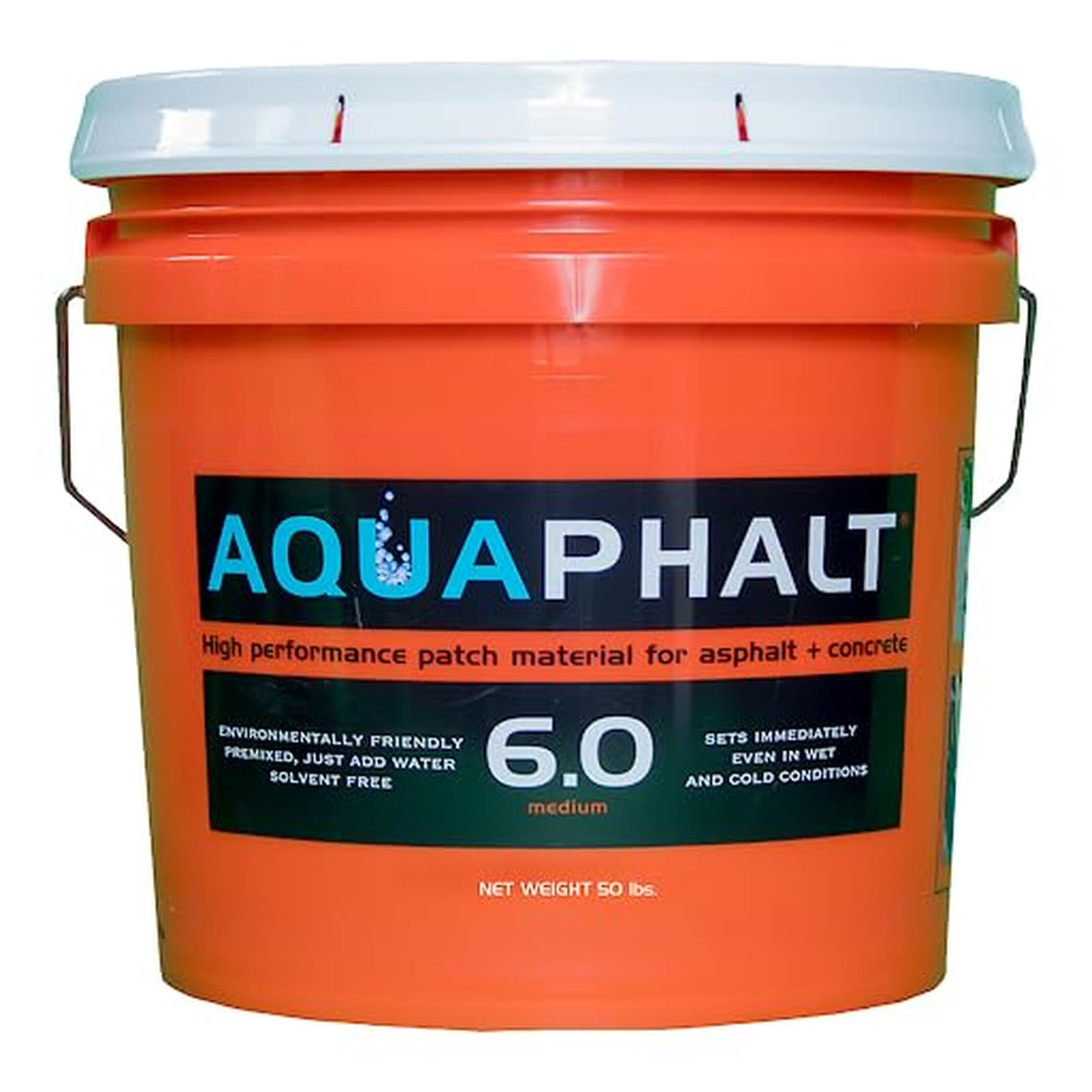
Aquaphalt 6.0 Asphalt Repair

90 /100
Kirk Score Outstanding
Capacity
448 fluid ounces
Warranty
3 years
How It Sets
Water-activated
Traffic Ready
Immediately
Check Details on Amazon

Pros

  • Holds up through winters and steady traffic
  • Sets with water, no solvents involved
  • Open to traffic immediately

Cons

  • Premium price for a bucket of material

Aquaphalt 6.0 doesn't open like a cold patch. There's no oily tack coat to wrestle with — you dump the material, wet it down, and compact it, and the water-based binder does the rest. The bucket holds 448 fluid ounces, roughly three and a half gallons, so it's a driveway-scale purchase rather than a one-hole fix, and the listing says it can take traffic immediately. The wetting step is the one to take seriously: water needs to reach the full depth of the material, not just sit on the surface.

What puts it at the top of this group is how it finishes. It compacts into a firm, dark surface instead of a gravelly fill, so a repaired pothole reads as pavement from the street rather than a grey scar. It's the only pick here with a three-year warranty behind it, which is a real promise for something that has to sit through freeze-thaw cycles, and of everything in this set it has the strongest record on staying put.

The trade-off is money and effort. A bucket of Aquaphalt costs more than a bag of cold patch, and that's what the premium binder buys. It also needs genuine compaction — where the material goes in dry and loose it can stay crumbly instead of hardening, so budget for a tamper and work it in stages. For a handful of potholes in a driveway you actually maintain, that's a fair exchange for not refilling the same hole next spring.

Bottom line: For potholes you want gone for good, this is the bucket we buy: wet it, tamp it, and it cures into a dark patch that blends with the surrounding asphalt.

Check Latest Price
#02

Best Value

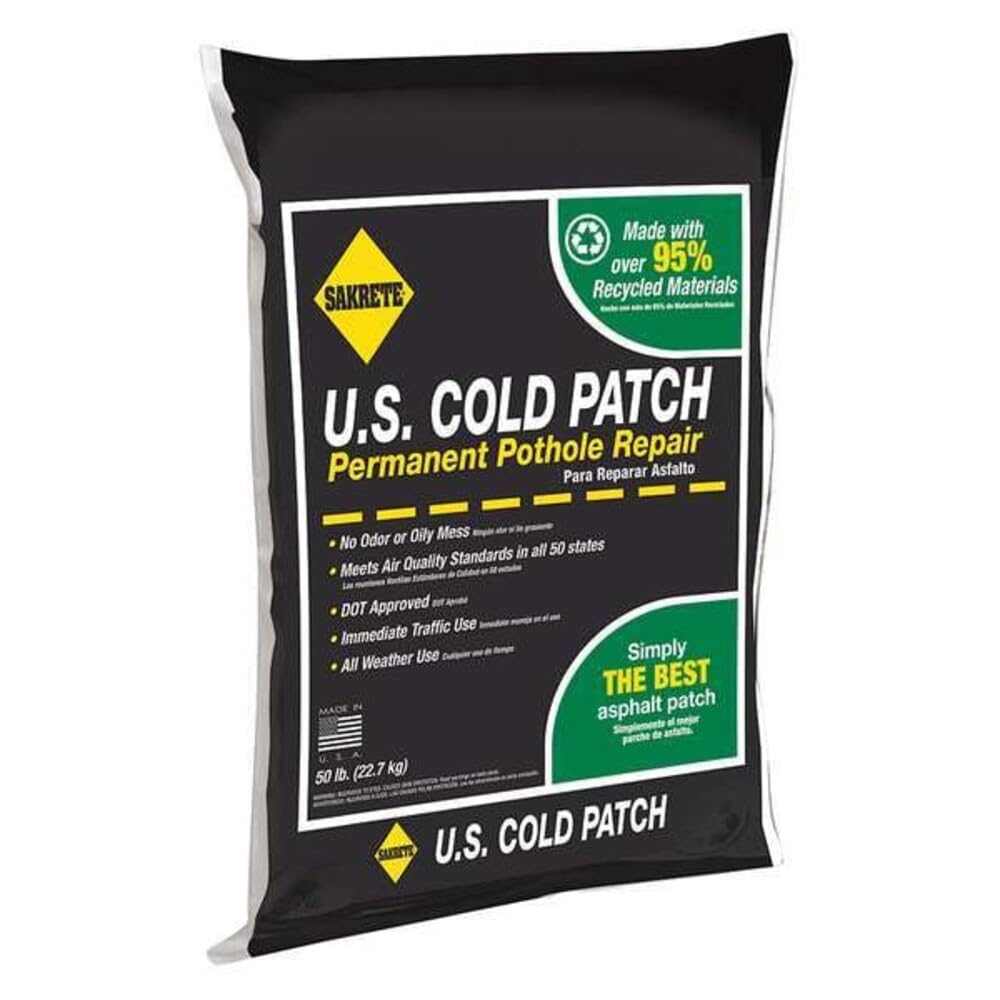
Sakrete U.S. Cold Patch

84 /100
Kirk Score Excellent
Material
Bitumen
Full Cure
1 hour
Bag Weight
50 lb
Traffic Ready
Immediately after compaction
Check Details on Amazon

Pros

  • The cheapest material per pound here
  • Drive on it right after compaction
  • Bonds well in a cleaned, tamped hole

Cons

  • Grey tone stands out against black asphalt

Fifty pounds of ready-to-use cold patch makes this the budget route through the whole guide, and it's the bag we reach for when a repair has to happen today. There's nothing to mix and nothing to activate: sweep the hole, pour, tamp, and the listing says you can drive on it straight away. For a long gravel lane or a driveway with a dozen potholes, that combination of volume and no-wait curing is hard to argue with.

Bonding is where it earns its keep. Dropped into a swept hole and tamped hard, it knits into the surrounding asphalt instead of sitting on top of it like a plug. Prep isn't optional, though, and the failure mode is predictable: spread thin, it ravels out under tires, and a dirty hole gives it nothing to grip. This is a material for potholes you can pack in proper lifts, not for skimming a shallow dimple.

It's a material to buy by the job rather than by the hole. A single 50-pound bag is a lot of patch for one crater, and a wet, gritty fill is more work to place neatly than something you scoop from a pail. Where that trade works — a property with several repairs a year, a lane that opens up every spring — nothing else here comes close on cost.

Bottom line: We send budget patchers here: 50 pounds of ready-to-use cold patch, nothing to mix, and you can drive on it as soon as it's tamped.

Check Latest Price
#03

Best for Large Areas

Road Rescue AP-100

83 /100
Kirk Score Excellent
Coverage
7 sq. ft. per bag
VOC Content
Zero
Total Weight
100 lb
Traffic Ready
Immediately after tamping
Check Details on Amazon

Pros

  • No need to square out the hole
  • Pour, tamp, drive
  • Zero-VOC natural asphaltic rock

Cons

  • Listed coverage assumes a shallow, even fill

Seven square feet per bag, two 50-pound bags in the box, and no need to square out the edges of the hole — that last part is what makes Road Rescue worth its place here. A conventional permanent repair wants straight sides so the material has something to lock against. This one is designed to go into the hole as you find it: sweep it clean, pour, tamp, and let tires do the rest.

Two bags is 100 pounds of material, which sounds excessive until you're filling a sunken apron at the end of a driveway or a whole broken shoulder. The pour-and-tamp routine takes minutes rather than an afternoon, and on ease of application this is near the top of the set. We also appreciate that it's natural asphaltic rock with no VOCs, so a repair next to a border or a vegetable bed doesn't need the area cleared first.

The catch is that it can stay loose. In deeper holes it sheds grit for a while and doesn't knit into a hard, sealed surface the way a water-activated patch does. Overfill slightly, compact in stages, and give it a week of traffic before deciding it failed you. Where the repair sits in a heavily used spot, a coat of sealer over the top helps hold the surface together.

Bottom line: For a long run of broken pavement, this is the pair of bags we buy: no edge squaring, a few minutes to apply, and traffic finishes the compaction.

Check Latest Price
#04

Small, tidy touch-ups

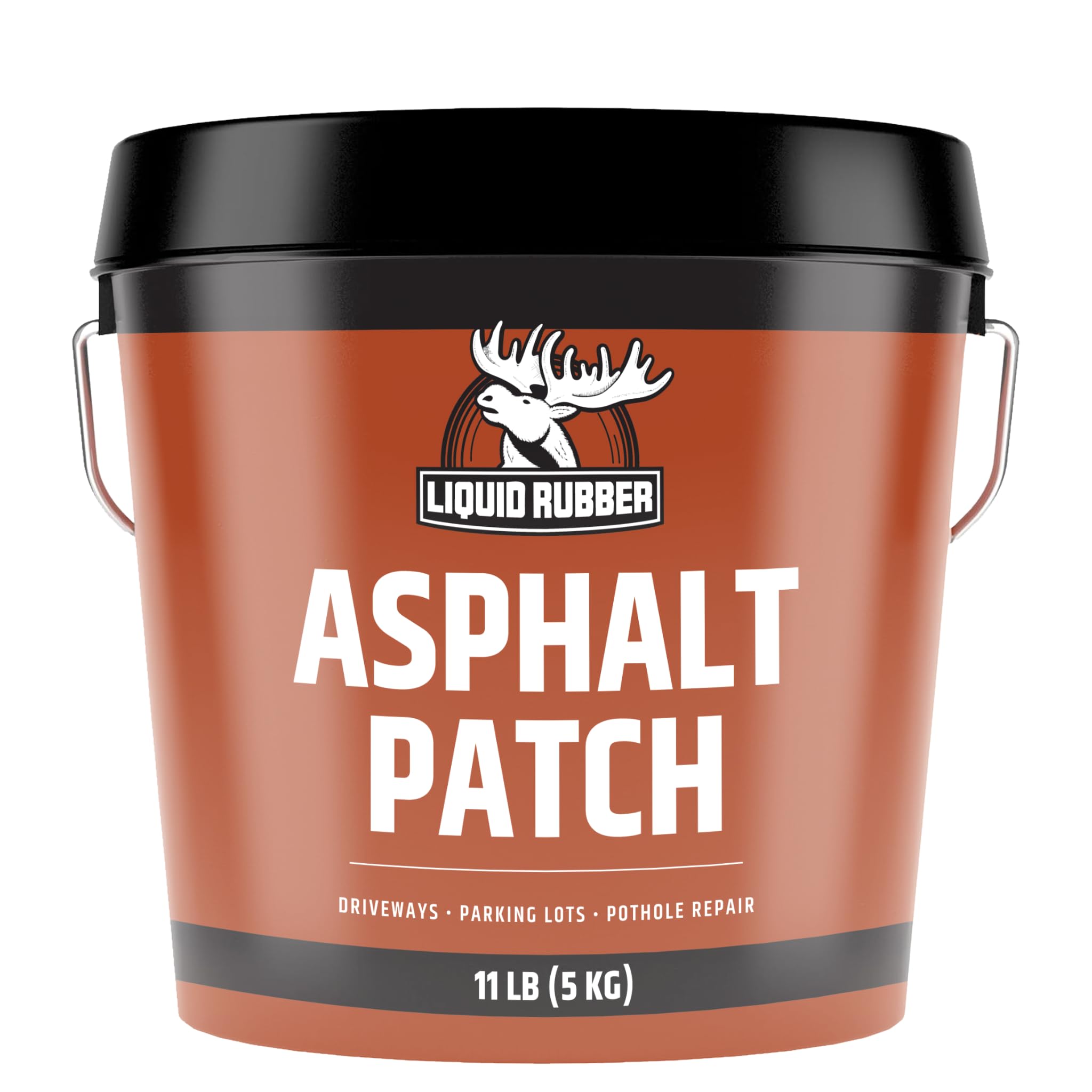
Liquid Rubber Cold Patch

82 /100
Kirk Score Excellent
Form
Granular
Cleanup
Baby oil or mineral spirits
Capacity
1 gallon
Traffic Ready
48 hours
Check Details on Amazon

Pros

  • Black granular material blends into asphalt
  • No mixing
  • Wipes clean with baby oil or mineral spirits

Cons

  • Two-day wait before the patch takes traffic

A one-gallon pail is a different product from a 50-pound bag, and that's why it's here. It's granular and black, it goes on with a scoop and a tamper, and cleanup is baby oil or mineral spirits rather than hunting for a solvent. It's also the only pick you can keep on a shelf between jobs — with the caveat that once the pail is opened the material starts to go off, so plan to use it in one session.

For a couple of small holes, this is the tidiest option in the guide. The black colour lets a fresh patch disappear into an asphalt driveway, which the grey cold patches in this set can't manage, and the granular form trowels into the ragged edges of a hole instead of spilling grit across the surrounding surface. On a front drive you look at every day, that finish is most of the job.

What you're paying for is neatness rather than volume. A gallon covers a couple of small holes and that's it, which makes this the most expensive way to buy patch material here. Whether that's a bad deal depends entirely on the size of the job: two holes in a tidy driveway, and the finish and the shelf life are worth it; a lane full of craters, and you're buying the wrong container.

Bottom line: The pail we keep on the shelf: black, granular, tool-free, and neat enough that a repaired pothole doesn't announce itself to the street.

Check Latest Price

How We Tested Asphalt Patch in Real Potholes

We started with cold-patch products sold in buckets, bags, and pouches, filtering out anything that required hot-mix equipment or a separate primer. We compared coverage claims, aggregate size, and whether the product was ready to use or needed mixing, then bought 12 units at retail.

Testing ran over eight months, from late winter through early fall, on three surfaces: a paved driveway with active freeze-thaw potholes, a gravel lane that gets plowed, and a parking pad. I filled holes in cold, dry, and damp conditions, timing how long each patch took to open, pour, and tamp with a hand tamper and a car tire.

For ease of use, I noted whether the material poured freely or clumped and how much raking it took to level. For bonding and adhesion, I checked the seam between patch and old asphalt after the first rain and again after two weeks of traffic. For hardness and compaction, I pressed a screwdriver into the patch and watched whether it dented or held. Dryness mattered: some patches stayed greasy and never set in cool weather, while others crusted over but stayed soft underneath. Durability came down to whether the edges crumbled under a turning tire, and I tracked value by how far a bag actually went, not by the coverage number on the label.

How to Choose an Asphalt Patch

Buy by volume, not by the square-foot figure

Every listing quotes coverage, and every one of those numbers assumes a shallow, even fill. A hole three inches deep eats roughly three times the material of one an inch deep, and the ragged edges and voids underneath eat more again. Treat a figure like Road Rescue's seven square feet per bag as a skim-coat number, not a crater number.

The practical version: measure the hole's depth as well as its width, and size your purchase to the deepest repair you have. A gallon pail is a two-hole purchase. A 50-pound bag handles a run of small potholes. A 3.5-gallon bucket is a driveway-scale buy, which is exactly what Aquaphalt 6.0 is.

Cold patch or water-activated material

Cold patch is asphalt aggregate coated in a bitumen binder. It holds together through compaction, relies on tamping and traffic to lock it in, and takes traffic the same day — which is why Sakrete and Road Rescue fill the immediate-repair role here. It's cheap, forgiving in bad weather, and the least permanent option.

Water-activated material uses a binder that cures when it takes on water. It sets harder and darker and holds a repair longer, and Aquaphalt's version backs that with a three-year warranty. Pay the premium when the hole sits in a surface you maintain and you'd rather not visit it again next spring.

Why compaction decides the outcome

Two things undo a patch faster than poor material: a dirty hole and a soft, single-pass fill. Sweep or blow out every loose chip, because material sitting on dust bonds to nothing. Then fill in lifts of a couple of inches and compact each one, rather than dumping the whole bag in and tamping once.

Overfill by about a quarter inch and let a tire finish the job. The water-activated products need a tamper and a hose as well as a broom; the cold patches need the tamper more than anything else. No material here saves you from that step.

Know when a patch isn't the answer

Patching works on a sound surface with a hole in it. If the asphalt around the pothole is webbing into a cracked pattern, or the same repair keeps opening, the base underneath has failed and fresh material will simply sink again. That's a rebuild, not a patch.

Hairline cracks are the other mismatch: cold patch is the wrong tool for them, and a crack filler will do a better, tidier job. Keep the patch material for holes you can drop a fist into.

Frequently Asked Questions

Final Verdict

Buy the Aquaphalt 6.0 bucket if you're fixing potholes you plan to live with. It costs more than a bag of cold patch and it insists on water and a tamper, but it sets hard, sets dark, and has the best record here for still being there after a winter of traffic.

If the repair is a stopgap on a gravel lane, or you have a long run of holes to fill, Sakrete's 50-pound bag is the money-saving call and takes traffic the moment you finish tamping. Road Rescue sits between the two: plenty of material and the quickest application, with a surface that may want a sealer to hold it.